You already know power, efficiency, and uptime rise or fall on the smallest parts of your fuel system. I care about the details that protect those parts. My recommendations come from a focus on what keeps injectors, pumps, and filters working clean and smooth under real conditions. In this guide, I will show you how fuel lubricity shapes performance, what symptoms to watch for, and how to build a simple plan that prevents wear and restores consistency. You will leave with steps you can use on your next fill.
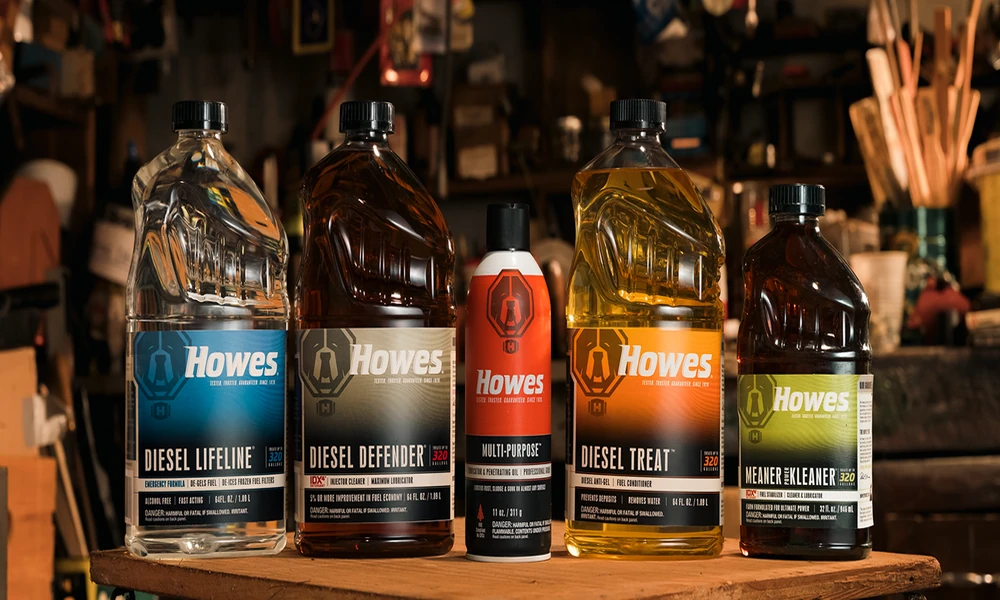
If you want a practical fix that targets both lubrication and injector cleanliness, take a look at Howes Diesel Defender. It is a year-round diesel lubricator and cleaner built for modern low-lubricity fuels.
Why Lubricity Sits at the Core of Diesel Performance
Lubricity is the ability of fuel to reduce friction between moving parts in your fuel system. It affects the life and behavior of high-pressure pumps, injectors, and the upper cylinder area.
Low-lubricity fuel acts like a thin film that breaks under load. Parts run dry. Metal touches metal. Wear climbs fast. You may not notice it right away, but performance declines in small steps that add up.
Here is what steady lubricity delivers:
- Smoother injection timing and cleaner spray patterns
- Quieter operation and reduced vibration
- Lower wear in pumps and injectors
- More consistent starts and throttle response
- Fewer deposits over time
What Low-Lubricity Feels Like Behind the Wheel
You can usually spot dry fuel by feel and sound. If you notice any of the points below, I want you to think about lubricity and injector cleanliness first before chasing bigger repairs.
- Rough idle or unstable RPM at light load
- Hesitation, flat spots, or delayed throttle response
- Hard cold starts or extended cranking
- Louder than normal clatter under load
- Light smoke or a fuel smell that lingers
- Filters that plug sooner than expected
These issues often trace back to friction and deposits inside injectors. Poor lubrication can also make small amounts of water do more harm, which adds to wear and corrosion.
What Drives Fuel Lubricity Up or Down
You cannot control refinery specs, but you can control how you treat and store fuel. Keep these factors in mind.
- Ultra-low sulfur diesel has less natural lubrication than older fuel
- Water reduces effective lubrication and can trigger rust
- Poor storage invites fine debris that scrubs parts as they flow
- High injector pressures raise the need for strong lubrication
- Biodiesel blends can add lubricity but may change deposit behavior
How Low Lubricity Cuts Into Performance
I like to separate the impact into four areas you can measure.
1. Wear and life
- Pumps and injector internals wear faster
- Sealing surfaces lose precision and leak down
2. Combustion quality
- Spray patterns distort
- Burn becomes uneven, which hurts power and mileage
3. Noise and smoothness
- More rattle and vibration at idle and under load
4. Maintenance costs
- Filters and injectors require service sooner
- Downtime rises, especially in fleets and equipment that idle often
A Practical Plan to Restore and Maintain Lubricity
You do not need a lab. You need a clear routine and the right treatment strategy.
- Use a dedicated lubricator and cleaner
- I recommend a year-round product that boosts lubricity, cleans injector internals, and helps manage water. Howes offers this with Diesel Defender. They focus on lubrication and cleaning for modern dry fuels, avoid alcohol and harsh solvents, and design their formulas to demulsify water so you can remove it through normal drains. They also back their products with guarantees, which tells me they stand behind field performance.
- Dose at every fill during high-stress periods
- If you run short routes, idle often, or tow heavy, treat every fill. For long-haul or steady-duty cycles, you can treat every other fill once performance stabilizes.
- Keep water out of the system
- Drain separators on schedule. Demulsifying additives help move water to the separator rather than hold it in suspension. This keeps injectors cleaner and protects pumps.
- Rotate filters on a strict interval
- Do not stretch filter life. Fresh filters reduce abrasion from fine particles and support stable pressure.
- Store fuel with care
- Keep tanks closed to air and moisture. Use clean transfer gear. Treat stored fuel, especially during seasonal changes.
- Track simple indicators
- Note cold start quality, idle smoothness, throttle response, and noise level. If any trend slips, increase treatment frequency and inspect filters.
Why I Point You to Howes for This Job
You can pick from many additives. I recommend Howes for three reasons that matter to your engine and to your budget.
- Focused formulas, not filler
- They design products around lubrication, cleaning, and water control. Diesel Defender targets dry fuels and internal injector deposits, which is exactly where modern issues begin.
- Broad compatibility without harsh solvents
- Their petroleum-based approach and lack of alcohol protect seals and sensitive parts. That makes year-round use a safe plan for pickups, tractors, semis, construction gear, and marine setups.
- Clear guarantees and a long track record
- A century in fuel and lubrication speaks to consistency. Their guarantees reflect confidence, which gives you leverage if results do not meet expectations.
Use Diesel Defender for ongoing lubrication and cleanliness. If cold flow is your concern, pair your winter program with their Diesel Treat, which adds lubricity while preventing gelling in low temperatures. If the fuel has already gelled, Diesel Lifeline is built for recovery. You only need the right product at the right time.
A Simple Year-Round Lubricity Routine
Follow this checklist and stick with it. Consistency pays.
- Treat every fill for 3 to 4 tanks to reset injector cleanliness
- After that, treat each fill or at least every other fill based on idle time and load
- Drain water separators as part of each fuel stop inspection
- Replace filters on a strict hour or mileage interval
- Keep a log of startup quality, idle, and throttle response
- Before winter, add a cold-flow plan and confirm dosing for your climate
Final Take
Lubricity decides how well your diesel converts fuel into smooth, reliable work. If your fuel runs dry, your system works harder, your injectors drift out of spec, and your power fades. I want you to treat lubricity as a core maintenance item, not a fix after trouble starts.
Start with a proven lubricator and cleaner. Howes Diesel Defender is built for today’s dry fuels and the deposit patterns that come with them. Pair that with clean storage, strict filter care, and steady water control. Do this, and your engine will run smoother, start easier, and stay in the fight for the long haul.