Laying the Groundwork for Understanding
After a crash, you may face mounting expenses—from medical bills to lost wages and vehicle repairs. Calculating damages involves tallying these costs and estimating future losses.
The Consequences Explained
Damages fall into economic and non‑economic categories. Economic damages cover tangible losses like medical expenses and lost earnings, while non‑economic damages include pain, suffering, and diminished quality of life.
Finding the Right Guidance
A knowledgeable attorney can help you account for all damages, including future medical care and loss of earning capacity. They may use formulas or expert testimony to arrive at a fair value.
Main Takeaways
Knowing what to include in your damages calculation prevents you from settling for less than you deserve.
Carrying Out Your Plan
Gather bills, receipts, and medical records. Work with professionals to estimate future costs and factor these into your negotiations.
Points to Consider
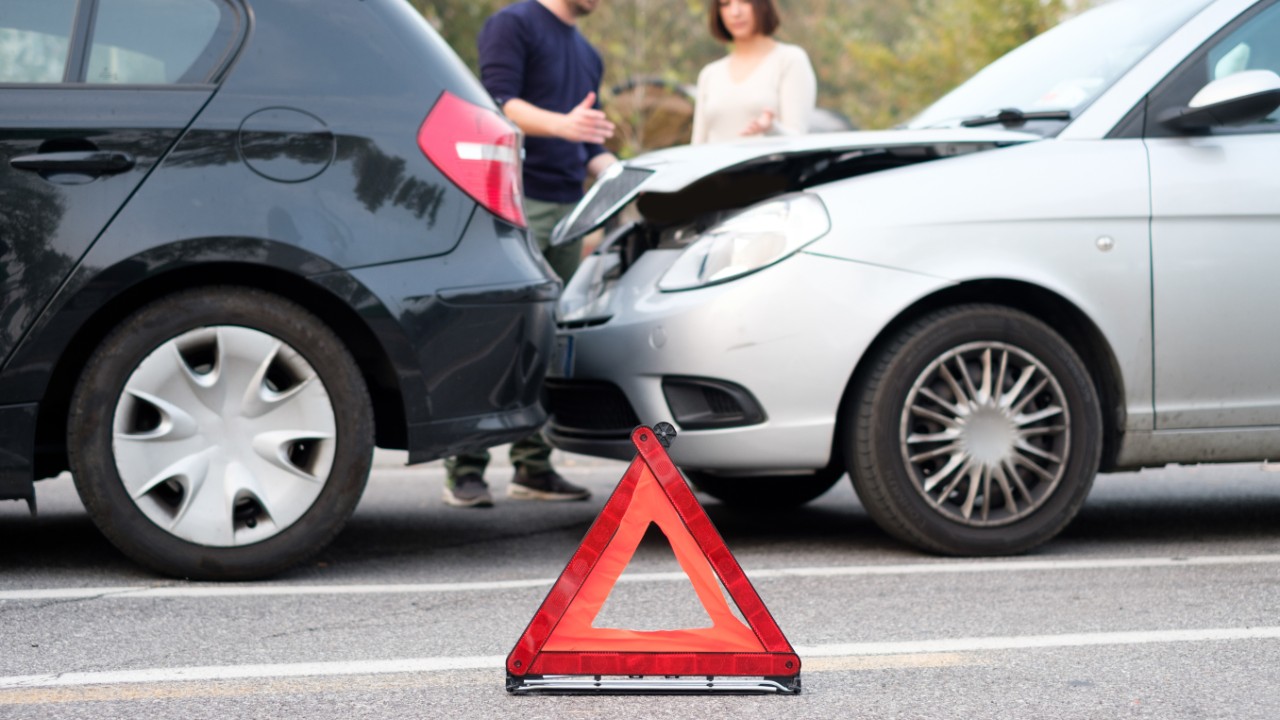
- Document the scene and collect witness information.
- Seek immediate medical attention, even if injuries seem minor.
- Notify law enforcement and file an official report promptly.
- Consult with an attorney to understand your rights and timelines.
Accounting for Future Costs
Serious injuries can result in ongoing medical care such as physical therapy, surgeries, or long‑term medication. When calculating damages, include these projected costs as well as potential loss of earning capacity if your injuries affect your ability to work. Economic experts can help estimate these figures based on your profession, age, and recovery prognosis.
Different Types of Damages
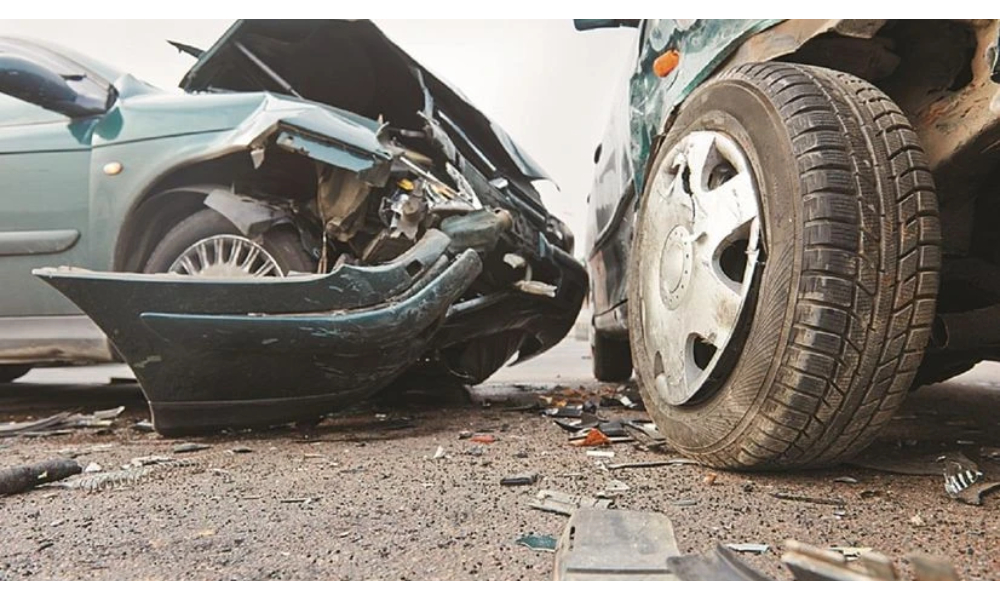
- Property damage covers repair or replacement of your vehicle and personal belongings
- Economic damages include medical bills, lost wages, and future expenses
- Non‑economic damages include pain, suffering, and loss of enjoyment of life
- Punitive damages may apply if the at‑fault driver behaved recklessly or maliciously
- Emotional distress damages compensate for anxiety, depression, and trauma
Punitive and Special Damages
In certain cases, punitive damages may be awarded to punish particularly reckless behavior, such as drunk driving. These are separate from compensatory damages and intended to deter similar conduct. Special damages refer to out-of-pocket expenses like transportation to medical appointments or home modifications to accommodate a disability. Keeping receipts and documenting these expenses ensures they are included in your claim.
Negotiating Fair Compensation
Negotiation is an art. Approach settlement talks with a clear understanding of your total damages and a reasonable range for negotiation. Start higher than your desired outcome to leave room for compromise. Present your documentation clearly and confidently. If negotiations stall, consider mediation or arbitration. Remember that your goal is to secure compensation that fully reflects your losses, both present and future.
Parting Thoughts
A comprehensive damages assessment empowers you to negotiate confidently with insurance companies and in court.
Conclusion and Additional Advice
Recovering from an accident is a multifaceted process involving legal, medical, and personal considerations. Take the time to educate yourself about your rights and responsibilities, ask questions when uncertain, and lean on trusted professionals and support networks. Maintaining detailed records, following through with medical care, and advocating for your needs are vital steps toward a fair resolution and complete recovery. Finally, remember that healing takes time, and seeking emotional support is just as important as addressing physical injuries.
- Stay proactive and organized in managing your case and recovery
- Communicate clearly and assertively with insurers, legal representatives, and medical professionals
- Document all interactions, treatments, and expenses for accuracy and transparency
- Reach out to support groups or online communities to share experiences and gain insights
- Prioritize self-care and mental health throughout the recovery journey