Monsoon rides can quickly become challenging when rain makes familiar roads wet and slippery. Braking may require more care, corners can feel less predictable, and sudden movements may affect control. This is why a tyre’s ability to maintain grip on wet roads deserves attention before the rainy season begins.
This blog explains what wet grip rating means and how tread pattern, tread depth and tyre compound affect performance on wet roads. It also covers important tyre features, buying factors and practical checks that can help you choose suitable tyres for monsoon riding.
What Does Wet Grip Rating Mean For A Two-Wheeler Tyre?
Wet grip refers to a tyre’s ability to maintain traction on a wet road. Good traction helps the tyre respond to braking, steering and acceleration inputs with greater control.
Unlike car tyres sold in some markets, two-wheeler tyres may not always carry a simple wet grip letter grade that lets riders compare every option directly. It is, therefore, better to assess wet-road capability through the tyre’s design, intended use and manufacturer information.
Wet grip can make a noticeable difference in situations such as:
- Braking at a traffic signal after rainfall.
- Taking a bend on a wet road.
- Riding over damp flyovers or concrete surfaces.
- Accelerating from a stop on a slippery road.
- Riding through shallow standing water.
Tyre Features That Improve Wet-Road Grip
A tyre works as a complete system. Its rubber compound, tread grooves, profile and construction all influence its behaviour on a wet surface.
Tread Grooves And Water Displacement
Grooves create channels that help push water out from beneath the contact patch. The contact patch is the part of the tyre that touches the road at a given moment.
Efficient water displacement helps the rubber maintain better contact with the road. This becomes especially useful during heavy rain or on roads with a thin layer of standing water.
| Tyre Feature | Role On Wet Roads | What A Rider May Notice |
| Tread grooves | Help channel water away | More predictable contact in rain |
| Rubber compound | Supports traction | Better response during braking and turns |
| Tyre profile | Influences contact with the road | Controlled steering feel |
| Tread depth | Provides space for water evacuation | More consistent performance in wet conditions |
Do not judge a tyre simply by how aggressive its tread looks. A deep or complex pattern does not automatically mean superior wet-road performance.
When comparing the two wheeler tyre price across options, check these design features and choose a tyre suited to your motorcycle, riding style and usual road conditions.
How Do Tread Pattern And Tread Depth Affect Wet Grip?
The tread pattern plays an important role during rain because it manages the water between the tyre and road. Well-designed grooves provide paths for water to move away from the contact patch.
The direction, shape and positioning of these grooves can influence wet-road behaviour. Tyre manufacturers design patterns according to the intended motorcycle type and use.
Why Does Tread Depth Matter During The Monsoon?
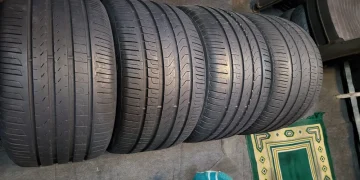
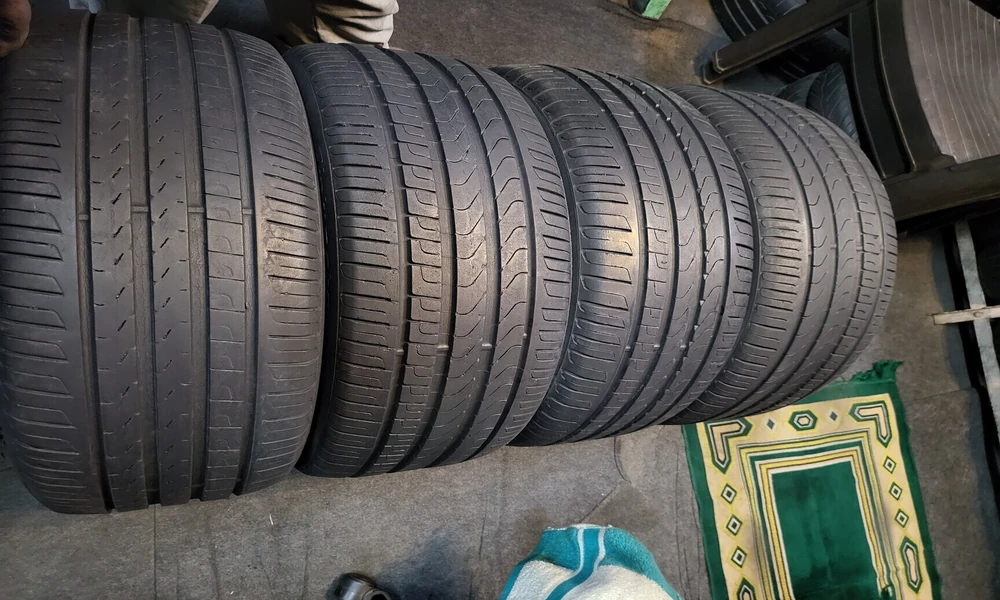
Tread depth gradually reduces as a tyre wears. As grooves become shallower, the tyre has less space to manage water. This can affect its ability to maintain consistent road contact during rain.
Before the monsoon, riders should check:
- Whether the tread has reached the tread wear indicator
- Whether wear is even across the tyre
- Whether cuts, cracks or damaged tread blocks are visible
- Whether the centre section has become excessively worn
- Whether the tyre has any bulges or unusual deformation
For riders searching for the best tyres for wet and dry grip, tread condition deserves as much attention as the original tyre design.
Choosing The Best Tyres For Wet And Dry Grip
Riders rarely ride on one type of surface throughout the year. A daily commute can feature dry tarmac in the morning and rain-soaked roads later in the day. A touring rider can experience even greater variation.
A balanced tyre should provide dependable behaviour across changing conditions.
Match The Tyre To Your Riding Style
Different riders can prioritise different characteristics:
- Daily commuters: Look for predictable braking, durability and stable wet-road behaviour.
- Touring riders: Consider stability, wet grip and performance over longer distances.
- Performance riders: Look for tyres designed to provide responsive handling and suitable grip for the motorcycle’s performance.
- Occasional leisure riders: Prioritise dependable road performance and a tyre specification suited to regular riding conditions.
Does Two-Wheeler Tyre Price Affect Wet-Grip Performance?
Price can influence a buying decision, but it should not become the only selection factor. The two wheeler tyre price can vary due to tyre size, construction, compound technology, performance category and intended application.
A higher-priced tyre is not automatically the right choice for every rider. Similarly, choosing only the lowest available range can mean overlooking features that matter to your riding needs.
| What To Compare | Why It Matters |
| Correct tyre size | Supports intended handling and fitment |
| Intended application | Helps match the tyre to your riding needs |
| Tread design | Influences water management |
| Compound | Affects traction and wear characteristics |
| Load and speed ratings | Must suit motorcycle requirements |
| Price range | Helps compare suitable options within your budget |
What Should You Check Before Buying Monsoon Tyres?
Monsoon tyre selection should go beyond looking at a new tyre in a shop or online catalogue. A few practical checks can help you make a more informed choice.
- Recommended front and rear tyre sizes.
- Load and speed ratings.
- Tread pattern and groove design.
- Tyre type and construction.
- Intended road application.
- Manufacturer information about tyre performance.
- Manufacturing details and tyre condition.
- Compatibility with the motorcycle and wheel.
- Suitable price range for your requirements.
Once fitted, correct tyre pressure is equally important. Pressure that is too high or too low can change the tyre’s contact with the road and affect handling. Check pressure when the tyres are cold and follow the motorcycle manufacturer’s recommendation.
Stay Ready For Every Monsoon Ride
Wet grip deserves serious attention before the rainy season starts. Look at tread design, groove layout, compound, tread condition and the specifications recommended for your motorcycle. These factors tell you much more than appearance alone.
Choose tyres according to your riding needs rather than focusing only on price or an aggressive tread pattern. Even the best tyres for wet and dry grip need correct pressure and regular checks. A suitable tyre, paired with smooth braking, controlled cornering and sensible speeds, can help make monsoon rides more predictable and confident.