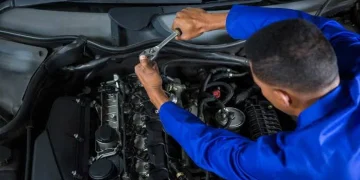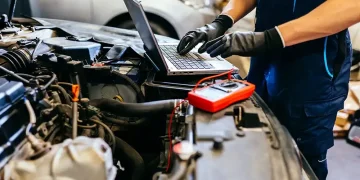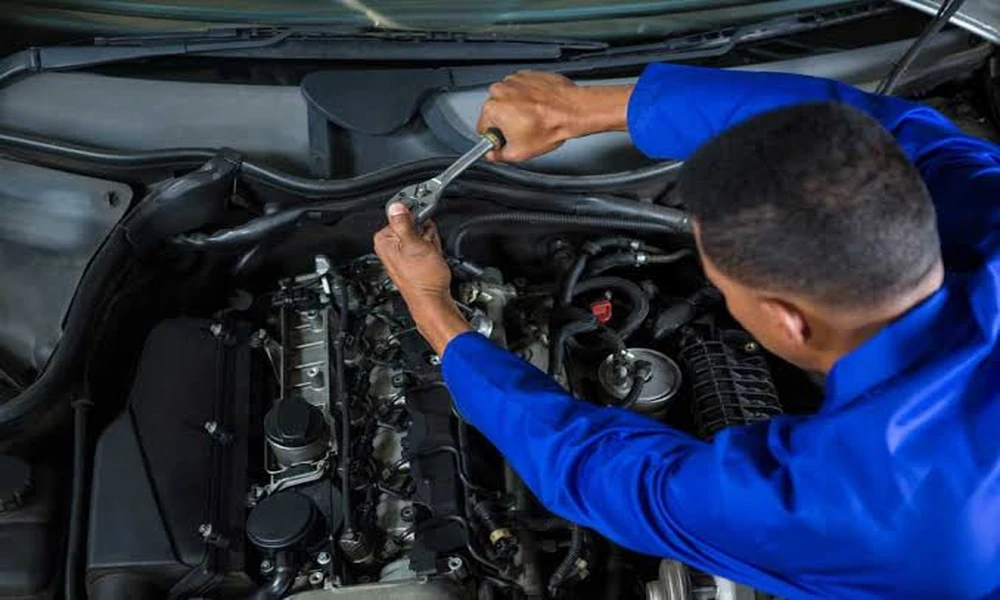
The engine relies on a steady temperature range to function with peak efficiency daily. The thermostat serves as a critical gatekeeper for the entire vehicle cooling system. It regulates coolant flow between the hot engine block and the metal radiator. A failing component often leads to severe overheating or poor overall fuel economy. You must prioritize regular checks to prevent expensive damage to internal metal parts.
Professional technicians at Rising Sun Motors understand how this small valve protects your vehicle investment. Ignoring cooling system health invites catastrophic failure that ruins modern high performance engines.
Understanding the Thermostat Function
The thermostat remains closed when the cold engine starts during a typical morning. This restriction allows rapid warming for optimal oil lubrication and better combustion efficiency. So the device opens once the coolant reaches a specific heat threshold level. Hot liquid then cycles through the radiator to dissipate excessive thermal energy outside. Now the process repeats constantly while you drive your car across various roads.
Rising Sun Motors mechanics observe that stuck valves cause temperature spikes or persistent cold running. Proper thermal management ensures that every moving part stays within safe operating limits.
Why Professional Maintenance Matters
Routine system flushes remove dangerous debris that blocks the delicate thermostat sensing bulb. Corrosion builds up inside old cooling passages and restricts proper liquid circulation paths. Technicians perform pressure tests to ensure every hose seal holds tight under stress. Auto Repair in North Bethesda, MD service offers comprehensive evaluations to keep your vital cooling loops clear. Skilled specialists replace worn hardware before a roadside breakdown occurs during long trips. Reliable cooling components extend the functional lifespan of every connected engine metal component. Trusting trained professionals ensures that your vehicle receives high quality replacement cooling parts.
FAQs
Does a stuck thermostat affect the electronic transmission fluid cooling loop efficiency levels?
Yes because the engine coolant heat exchanger often shares space with the transmission cooling lines.
Can the use of non distilled water accelerate internal thermostat spring corrosion rates?
Absolutely as minerals deposit on the valve seat preventing a tight seal during closure.
Will an aftermarket racing thermostat improve fuel economy during cold winter morning commutes?
No because it prevents the engine from reaching the necessary temperature for efficient operation.
Does the cabin heater core health depend directly upon a properly functioning thermostat?
The core relies on hot coolant flow controlled by the thermostat to provide warmth.
Should I replace the housing whenever swapping a thermostat to prevent subtle leaks?
Replace the housing if the plastic shows hairline cracks or warped sealing surfaces.